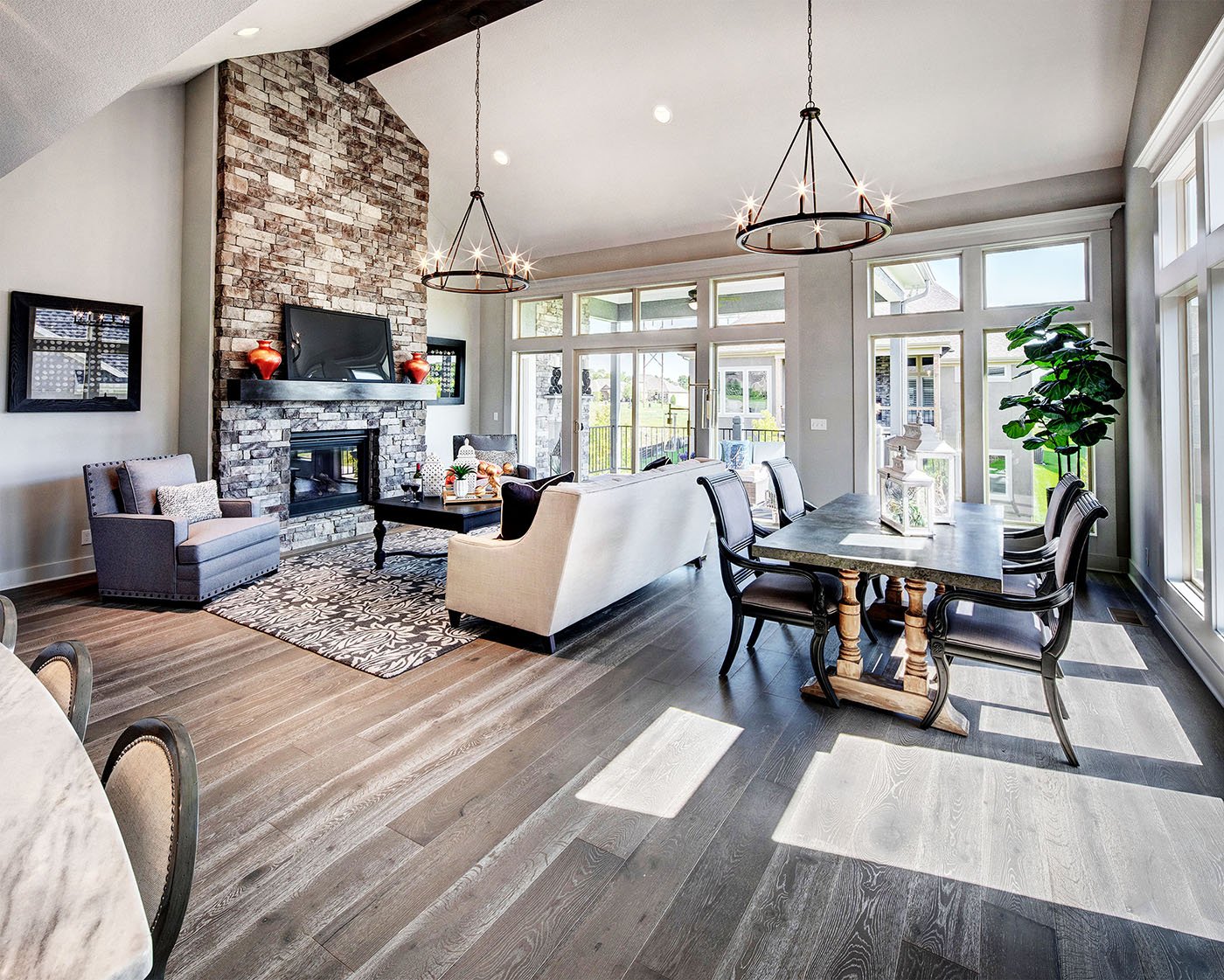


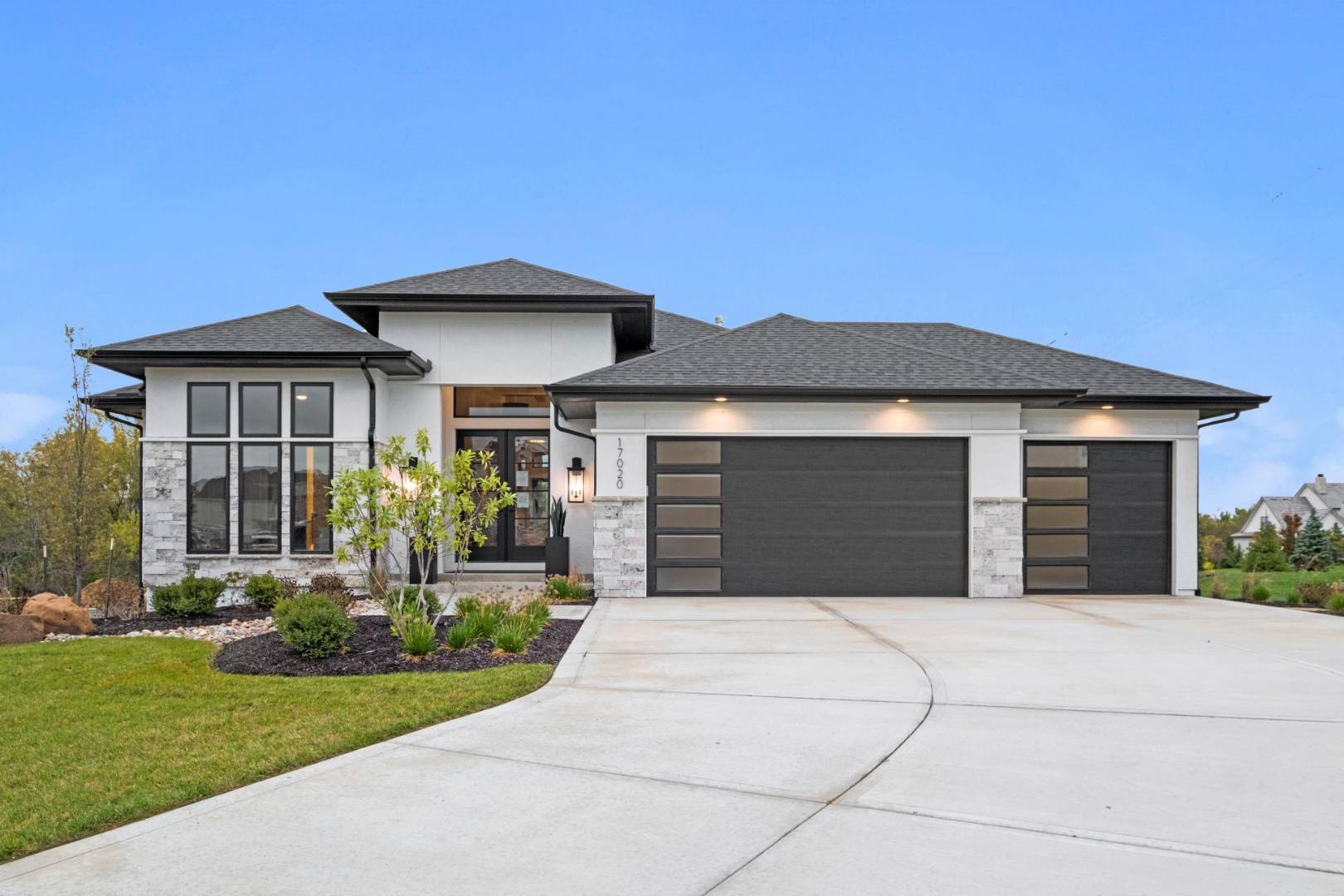
Planning to build a custom home in Overland Park? If you are, you know it comes with many exciting opportunities as you see your dream home come to life, but it also comes with big decisions early on. One of the most important is choosing who will lead your project.
Should you hire an architect first and then select a builder? Or should you work with a design-build firm that handles everything under one roof?
This guide explores the differences between the architect-led model and the design-build approach and how to choose the best one for your needs.
Use these links to navigate to sections that interest you:
- Architect-Led and Design-Build Approach Explained
- Key Differences Between Architect-led and Design-Build Approach
- Do You Need an Architect to Build a Custom Home?
- Is Design-Build More Cost-Effective?
- Which Approach Is Better for a Custom Home?
- What Is the Custom Home Design-Build Process?
- Choosing the Right Path for Your Home
Architect-Led and Design-Build Approach Explained
.jpg?width=450&height=300&name=Untitled%20design%20(3).jpg)
When planning a custom home, one of the first decisions homeowners face is whether to work with an independent architect or a design-build firm.
Both approaches can produce beautiful homes. The difference lies in how the project is structured and managed.
At a high level, the choice between architect-led design and design-build usually comes down to three key factors:
- Cost structure
- Project timeline
- Construction efficiency
Understanding how these two models work can help you choose the approach that best fits your goals, budget, and desired level of involvement.
Traditional Architect-Led Model
In a traditional architect-led approach, design and construction are handled by separate companies.
The process typically follows this sequence:
- You hire an architect to design your home
- The architect develops detailed plans and construction documents
- Builders review the completed plans and submit bids
- You select a contractor to build the project
This model gives homeowners a high level of design independence. The architect works primarily as your design advocate, creating plans based on your vision before construction pricing is finalized.
For homeowners who want to explore multiple builders or pursue a highly customized architectural style, this approach can provide flexibility.
When Architect-Led Design Makes Sense
Architect-led design can be especially valuable for complex or specialized projects, including:
- Steel-frame homes
- Concrete or modern structural systems
- Unique architectural concepts or experimental layouts
Architects may also provide broader design services such as:
- Landscape design
- Pool and outdoor living planning
- Site planning and architectural detailing
While these services can add value, they may also increase design costs and project timelines. Many of these services are often unnecessary for traditional residential construction.
Potential Challenges with Architect-Led Projects
One of the most common challenges with the architect-led model is budget alignment.
Because construction pricing typically happens after the design phase, homeowners sometimes discover that builder bids exceed their intended budget. If that happens, revisions may be required before construction begins.
Timing can also be a factor. Architectural firms often manage multiple project types and large design pipelines, which can lead to several months of wait time before design work begins. Once started, the full design process may take several additional months to complete.
The Design-Build Approach
A design-build firm integrates both the design and construction services within one company.
Instead of hiring an architect and builder separately, homeowners work with one team responsible for the entire project.
The process typically looks like this:
- You sign a single contract covering design and construction
- Designers and builders collaborate from the beginning
- Budget conversations happen during design development
- One team manages the entire project from concept to completion
When comparing design-build vs. traditional construction, the biggest difference is integration.
Rather than completing design first and pricing later, design-build aligns vision, feasibility, and cost from the very beginning.
Key Differences Between Architect-led and Design-Build Approach
As we mentioned previously, the primary differences between architect-led design and design-build generally come down to cost, timeline, and construction efficiency. Let's take a deeper dive into each factor.
Cost
Traditional architectural firms often have higher overhead structures that can be reflected in their design fees.
Design-build companies that develop plans in-house can often deliver comparable custom designs at lower design costs because the design team is integrated with the builder.
This integrated structure also allows construction considerations to influence the design early, helping avoid costly redesigns later in the process.
Timeline
Timeline differences can be significant.
Architectural firms frequently manage large project pipelines, which may result in several months of wait time before design work begins.
Because design-build companies typically design homes they intend to build themselves, the planning process is often more streamlined. In many cases, custom plans developed through a design-build process may be completed in weeks rather than months, helping homeowners move forward more quickly.
Construction Efficiency
One of the most important distinctions is practical construction efficiency.
Builders involved during the design phase bring hands-on construction experience to the planning process. This can help optimize structural layouts, material usage, and framing systems.
For example, experienced builders may identify opportunities to reduce material costs through improved framing spans or more efficient structural design, which can sometimes save tens of thousands of dollars without sacrificing the home’s aesthetic or quality.
Do You Need an Architect to Build a Custom Home?
.jpg?width=500&height=333&name=Untitled%20design%20(2).jpg)
Not necessarily. Many homeowners assume an architect must always be hired independently to design a custom home. In reality, professional design services are still included in most design-build projects.
If you hire a custom home architect independently, that architect will create the plans and construction documents before you select a builder.
If you work with a design-build firm, architectural design is typically handled by in-house designers or through integrated architectural partnerships.
In both scenarios, the key difference is how the builder participates in the design process.
In architect-led projects, the builder becomes involved only after the plans are complete.
With design-build projects, the builder contributes construction insight during the design phase.
Is Design-Build More Cost-Effective?
Neither approach is universally cheaper. The total cost of a custom home will always depend on factors such as:
- Home size and complexity
- Structural systems
- Materials and finishes
- Site conditions
However, design-build projects often provide greater cost predictability because construction expertise is involved earlier in the design process.
In a traditional architect-led model:
- Design happens first
- Builders bid afterward
- Changes may be required if pricing exceeds expectations
In a design-build model:
- Preliminary pricing begins early
- Scope and budget evolve together
- Construction feasibility informs design decisions
This collaborative process helps reduce the likelihood of major design revisions caused by unexpected construction costs.
Which Approach Is Better for a Custom Home?
Neither option is "better" than the other per se. The right choice depends on your priorities, communication preferences, and project complexity.
Architect-led projects may be ideal if:
- You want design independence first
- You plan to bid on the project competitively
- Your home involves complex architectural elements
Design-build projects may be better if:
- You prefer streamlined communication
- You want budget alignment during design
- You value having one team accountable for the entire project
Both approaches can produce outstanding homes when guided by experienced professionals.
What Is the Custom Home Design-Build Process?
.jpg?width=500&height=333&name=Untitled%20design%20(1).jpg)
Understanding the custom home design-build process will pay dividends in helping you choose the best path for your build.
While specifics vary, most projects follow similar stages:
Discovery and Vision Planning
The process begins with understanding your goals and evaluating the property.
Typical steps include:
- Discussing lifestyle needs and design preferences
- Reviewing the lot and site conditions
- Establishing rough budget parameters
Budget Alignment
Early cost conversations help align the design with financial goals.
This phase typically includes:
- Preliminary construction estimates
- Scope adjustments based on the budget
- Refining square footage and major features
Concept and Architectural Design
During this stage, the design team develops the structure of the home.
Key deliverables may include:
- Floor plans
- Exterior elevations
- Structural and engineering coordination
Selections and Specifications
Once the overall design is finalized, attention turns to interior details.
Homeowners typically select:
- Finishes & Materials: Plumbing and light fixtures, floor coverings, tile, cabinets, and trim details
- Mechanical Options: Electrical, heating and cooling, and low voltage, including home automation and security
- Lifestyle & Design: Floor plans designed for immediate, long-term, and future needs
Construction and Project Management
Once permits are secured, construction begins.
This phase includes:
- Scheduling and timeline management
- Regular site meetings
- Communication checkpoints to keep homeowners informed
Regardless of the project structure, an experienced builder should provide a clear and organized process that guides you through each stage.
Choosing the Right Path for Your Home
The path you choose for your custom home will depend on your priorities, budget, and expectations. Working with a design-build firm or with separate teams comes with its own advantages, so go with what you are comfortable with. It is your home, and you should enjoy the journey of building it.
Figure 1. Architect vs Design-Build: Side-by-Side Comparison
| Feature | Architect-Led Approach | Design-Build Approach |
|---|---|---|
| Project Structure | An architect designs the home first, then builders bid on the completed plans. | One company handles both design and construction under a single contract. |
| Design Independence | High design independence. The architect works primarily as the homeowner’s design advocate. | Design and construction decisions are integrated and developed collaboratively. |
| Budget Alignment | Pricing usually comes after design is complete, which may require revisions if bids exceed budget. | Budget discussions begin during design, allowing scope and cost to evolve together. |
| Timeline | Design may take several months, especially if the architectural firm has a large project backlog. | Design timelines are often shorter because design and construction teams work together. |
| Construction Efficiency | Builders review plans after the design is finished, which can sometimes reveal construction challenges later. | Builders contribute during the design phase, helping optimize materials, framing, and construction methods early. |
| Project Management | A homeowner typically manages separate contracts with the architect and the builder. | One team manages the entire process from concept through construction. |
| Best Fit For | Highly specialized homes, complex architecture, or homeowners wanting to bid the project to multiple builders. | Homeowners who want streamlined communication, early cost clarity, and a single point of accountability. |
Building With Dusty Rhodes Homes
Choosing between architect and design-build is an important first step, but the right team makes all the difference.
Since 1966, Dusty Rhodes Homes has built more than 2,000 homes in the Kansas City metro area and earned hundreds of Home Builders Association Pick of the Parade and Best Design awards.
As a true design-build company, we have multiple in-house designers to collaborate on every project. We include interior design in our process, and we create plans with both aesthetics and build efficiency in mind. Our integrated approach allows clients to enjoy a fully coordinated design experience without the need for separate architects or outside decorators.
Take a virtual tour of our properties to see what we can build for you.
Contact Us
Connect with our team today and take the first step toward building a home designed around you.